Smiley Face Smile Canva Frame Template: Joyful Design Made Easy
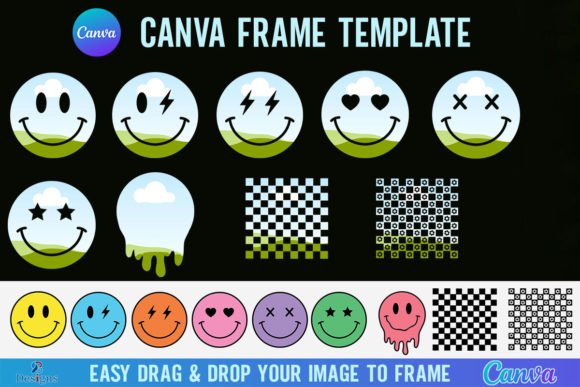
There’s a particular kind of energy a design gets when it doesn’t take itself too seriously. It feels approachable, human, and memorable. That’s the core appeal of the Smiley Face Smile Canva Frame Template. It’s not just a shape; it’s a visual shortcut to a specific mood—one of positivity, friendliness, and approachable fun. In a digital landscape crowded with sleek, often impersonal aesthetics, injecting a bit of deliberate, joyful character can be a powerful strategic move. This template isn’t about complex illustration; it’s about harnessing an iconic symbol to create instant connection and warmth.
More Than a Shape: The Design Language of the Smiley Frame
At first glance, it’s simple: a classic smiley face outline serving as a frame. But the design choices here are thoughtful. The lines are clean and confident, avoiding anything that feels childish or dated. It strikes a balance—it’s unmistakably a smiley, but rendered with a modern, graphic sensibility. This makes it incredibly versatile. The personality is upbeat and inclusive, making it suitable for brands that want to feel helpful, innovative, or community-oriented. It’s a display font in spirit, though it’s a frame—it’s meant to grab attention and set a tone immediately, much like a bold headline typeface would.
The 4000x4000 pixel canvas is a significant detail. This isn’t a tiny social media sticker; it’s a substantial, high-resolution asset. That size means it can be used for everything from large-format print materials like posters and banners to detailed digital work without losing clarity. The instruction to drag and drop any PNG or JPG background image into the frame highlights its primary function: it’s a creative container. The frame itself provides the structure and the emotional cue, while your chosen image—whether it’s a product photo, a texture, a pattern, or a vibrant color fill—becomes the content. This separation of structure and content is a fundamental principle in practical design assets.
Where This Template Shines: Practical Applications
Understanding where to deploy this asset is key to leveraging its strengths. Its value isn’t in being used everywhere, but in being used thoughtfully where its personality aligns with the project’s goals.
- Social Media & Digital Marketing: This is its natural habitat. Use it for Instagram Stories, Facebook posts, or TikTok thumbnails to announce sales, celebrate milestones, share positive customer reviews, or promote community events. The shape is instantly recognizable and stops the scroll. It’s perfect for creating a series of cohesive graphics for a campaign centered on user-generated content or customer appreciation.
- Branding & Identity Elements: For certain businesses, this frame can become part of a recognizable brand identity. Think of a children’s educational app, a wellness coach focusing on positive mindset, a local café with a retro vibe, or a podcast about happiness. Used consistently on profile pictures, newsletter headers, or as a watermark, it builds immediate recognition. It’s a form of modern typography thinking applied to a graphic element.
- Publishing & Editorial Design: In editorial design, it can serve as a recurring visual motif. Imagine it used to frame author headshots in a cheerful magazine, or as a section divider in a blog focused on lifestyle or self-improvement. It adds a layer of visual interest and personality that breaks up text-heavy layouts.
- Packaging & Product Design: For packaging design, especially for products targeting a younger demographic or those in the food, craft, or novelty space, a smiley face frame can make a product stand out on the shelf. It could frame a window on a box, highlight a key ingredient, or simply serve as a bold, friendly brand mark.
- Personal Projects & Crafting: Hobbyists and crafters will find it invaluable for creating custom stickers, party invitations, scrapbook elements, or t-shirt designs. The ability to use it with a Canva Pro account to download with a transparent background is crucial here, allowing the frame to be layered seamlessly onto other materials.
Integrating the Frame: A Designer’s Practical Guide
Using an asset effectively is about more than just placement; it’s about integration. Here’s how to think about incorporating the Smiley Face Smile Canva Frame Template into your workflow.
First, consider the font pairing—not with a typeface, but with your other visual elements. The frame has a distinct personality. Pair it with clean, simple sans-serif fonts for a modern, balanced look. If your brand leans more playful, a rounded script font or handwritten font could complement it well. Avoid pairing it with overly ornate or serious serif fonts unless you’re going for a deliberate, high-contrast juxtaposition.
The background image you choose is the other half of the equation. A flat, solid color makes the frame the absolute star. A subtle texture adds depth. A busy photograph can work, but ensure the main subject is positioned centrally within the frame’s face. The frame acts as a natural visual hierarchy tool, drawing the eye directly to whatever is placed inside it.
Always test for readability and context. If you’re placing text over or around the frame, ensure there’s enough contrast. The frame’s bold lines create a strong boundary, so text placed too close can feel cramped. Give it breathing room. For web design or social media graphics, consider how the shape interacts with the platform’s UI elements—profile pictures are often circular, which might crop the frame awkwardly if not sized correctly.
Finally, remember the licensing note. This is a commercial font—style asset for your own projects, but you cannot resell the template itself. Its true value is unlocked through your creative application. Use it to inject a moment of joy, a sense of community, or a burst of positive energy into your work. In a world that often feels complex, a simple, well-executed smile can be your most effective design tool.