Canva Letters Frame Alphabet Template112: Your Custom Lettering Workflow
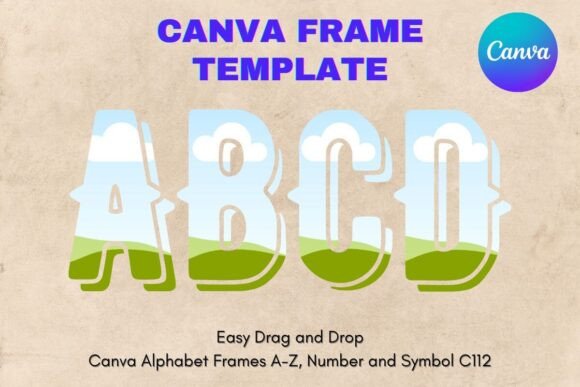
When you need consistent, high-quality custom lettering for sublimation or vinyl projects, starting from scratch is inefficient. The Canva Letters Frame Alphabet Template112 provides a structured starting point. This is a digital file—specifically a PDF containing a link to your custom Canva template. You receive no physical product, only the digital asset. The template is designed for 8.5×11 inch paper, with approximate sizes that can be scaled to fit your project. It uses a transparent layer, making it ideal for sublimation printing where you need just the letter form without a background.
Understanding the Digital Template and Its Design
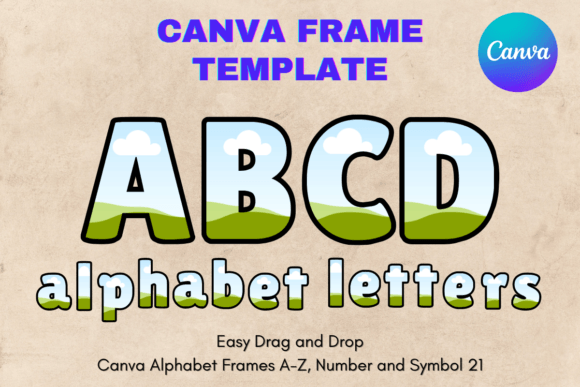
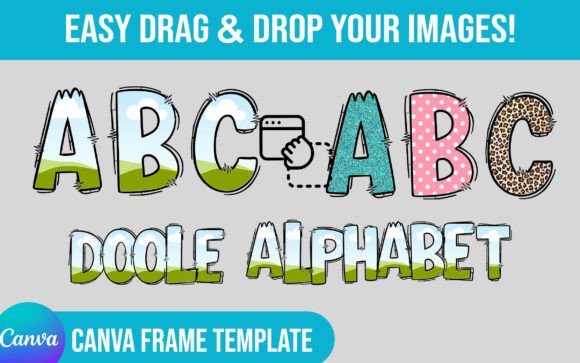
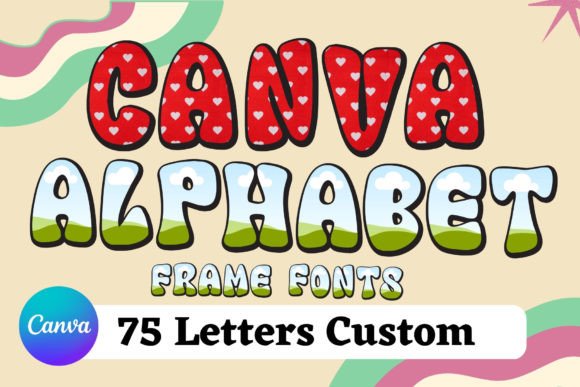
First, clarify what this product is. It is not a PNG, SVG, or traditional font file. It is an editable Canva frame template. This means you open the template directly in Canva, where each letter of the alphabet is presented as a frame. You drag and drop your own images, patterns, or colors into these frames to create unique, filled letters. The visual style of the frames themselves is clean and modern, offering a versatile base. The personality is one of precision and adaptability—it’s a tool for creation, not a pre-designed final product. The overall appeal lies in its simplicity and the creative control it hands to you.
Think of it as a stencil set for the digital age. The letters have a consistent weight and proportion, ensuring a harmonious look when used together. Because it’s a Canva template, you can adjust colors, add textures, or apply effects within the platform. This makes it a premium font alternative for those who need custom graphics rather than a standard typeface. It functions much like a display font in projects where letterform is central to the visual message, but with the added benefit of complete customization.
Practical Applications for Creators and Businesses
Where does this template truly shine? Its strength is in projects requiring personalized monograms, initials, or headline text where a standard serif font or sans serif font won’t suffice. For entrepreneurs and small business owners, consider using it for:
- Logo Design and Brand Identity: Create a unique initial mark for a boutique, studio, or personal brand. Fill the letter with a brand-specific texture or pattern to reinforce identity.
- Packaging Design: Design custom monograms for product labels, gift tags, or packaging seals. The scalable nature allows for precise sizing.
- Social Media Graphics: Craft eye-catching headers or featured letter graphics for Instagram, Pinterest, or blog banners. The editable nature allows for quick color changes to match campaign themes.
- Sublimation and Vinyl Projects: This is its core use. Create designs for mugs, t-shirts, tote bags, or decals. The transparent layer ensures a clean cut or transfer.
- Editorial Design: Use large, customized drop caps in magazines, newsletters, or book layouts to add a distinctive touch that script font or handwritten font styles might not achieve cleanly.
For marketers and content creators, it offers a way to produce branded visual elements without outsourcing. The template supports a modern typography approach where customization is key to standing out. It’s less about the font itself and more about the framework for your own creative input.
Integrating the Template into Your Design Process
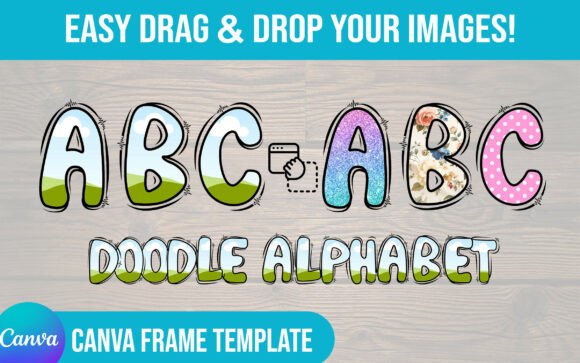
Using the Canva Letters Frame Alphabet Template112 effectively requires a practical approach. Start by opening the PDF and clicking the link to access your Canva template. From there, select the letter you need. Drag your chosen image—whether a photograph, a digital pattern, or a solid color—into the frame. Canva’s interface makes this straightforward.
Consider these practical steps for best results:
- Evaluate Project Fit: This template is best for projects where the letter itself is a graphic element, not for setting body text. It’s a creative font tool for headings, logos, and monograms.
- Test Font Pairings: If you’re using these letters alongside text, pair them with a clean, readable typeface. A simple sans serif font for body copy or a subtle serif font can complement without competing.
- Review Included Styles: The template includes a full alphabet. Ensure the letter shapes align with your project’s aesthetic. The frames are neutral, so your choice of fill defines the final style.
- Check Readability: While the frames are clear, the final readability depends on your fill. High-contrast fills work best for legibility at smaller sizes, especially in print.
- Understand Commercial Use: Since you are creating a derivative design, review the terms provided. Typically, you can use the final created graphics for commercial purposes, but the template file itself cannot be resold.
For designers, this asset streamlines the creation of custom lettering. For crafters and hobbyists, it provides a professional starting point that elevates DIY projects. The key is to see it as a design asset within your toolkit—a flexible one that adapts to various needs, from web design graphics to physical products.
Making the Most of Your Custom Letterforms
The true value of the Canva Letters Frame Alphabet Template112 is unlocked through experimentation. Don’t just fill a letter with a color; try layering images, using gradients, or applying Canva’s filters. For branding projects, create a set of monograms using consistent fills to maintain brand perception and consistency. The ability to scale means you can use the same design on a business card and a storefront sign.
When working on packaging design or social media graphics, use multiple letters to spell out key words. This creates a cohesive visual language. Remember, the template handles the form; you provide the content. This separation allows for rapid iteration. You can test ten different fills for a letter in minutes, something impossible with a static premium font.
Finally, treat this as a professional tool. The clean lines and scalable vector-like quality (within Canva) ensure your designs look sharp at any size. It bridges the gap between needing custom lettering and lacking the time or skill to draw it from scratch. For anyone serious about their visual output—whether for a business, a blog, or personal projects—it’s a practical solution that delivers real-world results without the complexity of traditional graphic design software.